Killeigh

Área de elementos

Taxonomia

Código

Nota(s) de âmbito

    Nota(s) da fonte

      Mostrar nota(s)

        Termos hierárquicos

        Termos equivalentes

        Killeigh

          Termos associados

          Killeigh

            140 Descrição arquivística resultados para Killeigh

            118 resultados diretamente relacionados Excluir termos específicos
            Annual Report 1883
            IE OCCHO DIGBY/C/11 · Item · 1883
            Parte de Digby Irish Estates

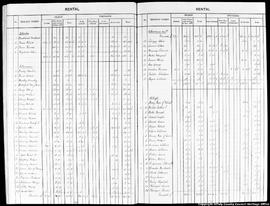
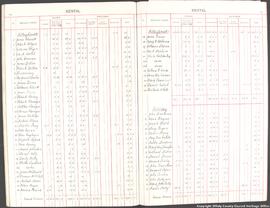
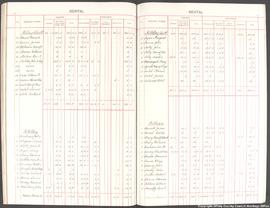
            Annual report, accounts and rental for year ending June 1883, describing a considerable improvement in the financial situation with a large drop in arrears outstanding due to the Arrears Act of 1882. Reports that abandoned and boycotted farms now account for 850 statute acres of land in Lord Digby's hands set for temporary grazing and necessitating the purchase of cattle. Also reports that despite a decrease in the net rental due to the action of the Land Commission Courts and voluntary reduction of rents, it was possible to remit profits of £11,500. No land improvements or works were carried out, but 50 acres of replanting was carried out at Derrygunnigan Wood, River Wood at Clonad and Derrygolan.

            Describes a general improvement in the condition of the estate and attributes the cessation of agitation to the Prevention of Crimes Act brought in following the Phoenix Park murders in spring 1882.

            Annual Report 1887
            IE OCCHO DIGBY/C/15 · Item · 1887
            Parte de Digby Irish Estates

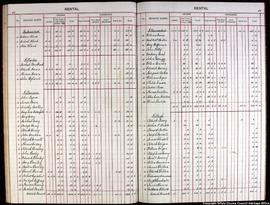
            Annual report, accounts and rental for year ending June 1887, showing a small decrease in rent, a moderate increase in arrears which Digby blames on a 'grave agricultural depression'. Abandoned arrears are high with much of this land consisting of boycotted farms and lands now 'on hand' following surrender. Principal amounts of expenditure is for forestry at Scrubb Wood and Derryadd, which he points out led to a large amount of employment in the reach of small tenants and labourers on the estate who must otherwise have suffered from enforced idleness. Describes a 'half-hearted' agitation against the payment of any more rent than the National League authorities advised. Also notes that meetings were held before the winter collection of rents and a proposal to inaugurate the League's 'Plan of Campaign' was not successful.

            Annual Report 1891
            IE OCCHO DIGBY/D/2 · Item · 1891
            Parte de Digby Irish Estates

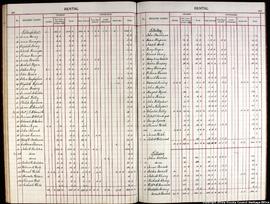
            Annual report, accounts and rental for year ending June 1891, showing a further decrease in overall rental income and arrears remaining unchanged. Expenditure on forestry only with some acres at Clonad, cleared, drained and replanted. Digby reports that the overall condition of the estate is 'most satisfactory' and that 'the traces of agitation which recently distracted the country have, owing to Mr. Balfour's fearless administration, improved agricultural conditions and the split in the Nationalist camp, almost entirely disappeared.'

            Annual Report 1860
            IE OCCHO DIGBY/A/4 · Item · 1860
            Parte de Digby Irish Estates

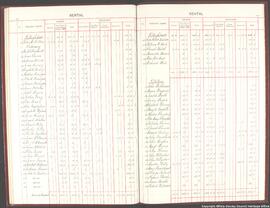
            Annual report for year ending June 1860 containing details of the leaseholder's compensation fund, the executors' arrears, mesne rates, new rentals and the purchase of leases. Also discusses estate improvements: permanent land improvement at Meelaghans; the creation of turf banks at Colehill; management of woods and plantations at Scrubb Wood, Killeenmore and Derryweelan ('Furry Hill'); and the building of roads and bridges at Clonad and Derryclure. Particularly refers to the 'model farm' which has been established at Ballyknockan.

            In relation to the construction of houses, the report describes the completion of Richard Odlum's offices in Ballyduff, 'one of the most independent and thriving farmers on a large scale on the estate.' Also discusses Odlum's house in Ballymooney to be near completion. Reports that cottages in Killeigh and the new rent offices are complete 'and ought to last forever'. Referring to dire housing conditions amongst some of the tenantry, the report justifies the expense on rebuilding houses and states that there was more than one case on the estate 'where the inhabitants were in daily danger of being buried alive.' Also reports on small repairs to existing tenants' houses and a scheme of compensation for 59 families to surrender certain tenancies.

            Also reports on agrarian unrest and agitation by Ribbonmen on the estate, including arson attacks on Geashill Castle offices and outhouses, and an arson attack on the farm of Mrs. Pattison, Protestant tenant at Annagharvey. Appendix contains copy letter from John Townsend Trench, second son of W. S. Trench, who interviewed Mary Shea, barmaid of the Cross Keys public house, Geashill, at the barracks in Tullamore where she was being held for her own safety. Letter describes plot to assassinate T. W. Trench and lists the main Ribbonmen active in Geashill as told to J. T. Trench: Loughlin Kelly ('treasurer of the murder fund'), Henry Bryan of Cross Keys public house; John Whelaghan, John Helian, William Grumly, Ned Geraghty, Christopher Mooney, Johnny Clibborn and others.

            Drawing on pg 151:
            Sign language or secret signals of the Ribbonmen